Introduction: Understanding Accutane and Hair Loss
Accutane, or isotretinoin, is a potent medication widely prescribed for severe acne that has not responded to other treatments. While it is effective in reducing acne and preventing future breakouts, many users express concerns about side effects, particularly hair loss. Therefore, understanding Accutane hair loss treatment is essential for individuals considering this powerful medication.
This article will cover what you need to know about hair loss as a side effect of Accutane and provide insights on managing and recovering from it. By examining various strategies and expert recommendations, we aim to alleviate concerns about hair loss during isotretinoin therapy.
The Mechanism of Accutane
How Accutane Works on Acne
Accutane functions by decreasing the size and activity of sebaceous glands, which produce oil in the skin. This reduction leads to less oil, fewer clogged pores, and ultimately a decrease in acne lesions. In addition to its acne-fighting capabilities, the way Accutane interacts with the body may also affect hair health.
Potential Side Effects of Isotretinoin
As effective as Accutane is, it carries a risk of side effects. Common side effects include dryness of the skin and lips, increased sensitivity to the sun, and changes in mood. One significant side effect reported by some patients is hair loss. Understanding these effects can help prepare and reassure users.
Hair Loss: A Common Concern
Incidence of Hair Loss
Research suggests that a small percentage of patients on isotretinoin may experience hair loss. Approximately 10% of users report noticeable thinning of hair during their treatment. While this statistic may seem daunting, most patients also report that their hair returns to its prior state once treatment ends.
Types of Hair Loss Associated with Accutane
Telogen Effluvium
- Overview of Telogen Effluvium: Telogen effluvium is recognized as the most common form of hair loss seen in patients taking Accutane. It occurs when the body experiences stressors that trigger a shift in the hair growth cycle. Under normal circumstances, hair grows in cycles, with follicles transitioning through different phases: the anagen (growth) phase, the catagen (transition) phase, and the telogen (resting) phase.
- Triggers and Causes: In the case of Accutane, the shock to the body caused by starting a potent medication can lead to a higher number of hair follicles entering the telogen phase prematurely. Stressors such as new medications, hormonal changes, nutritional deficiencies, or illness can all contribute to this phenomenon. Starting Accutane, in particular, may be significant enough to induce this response.
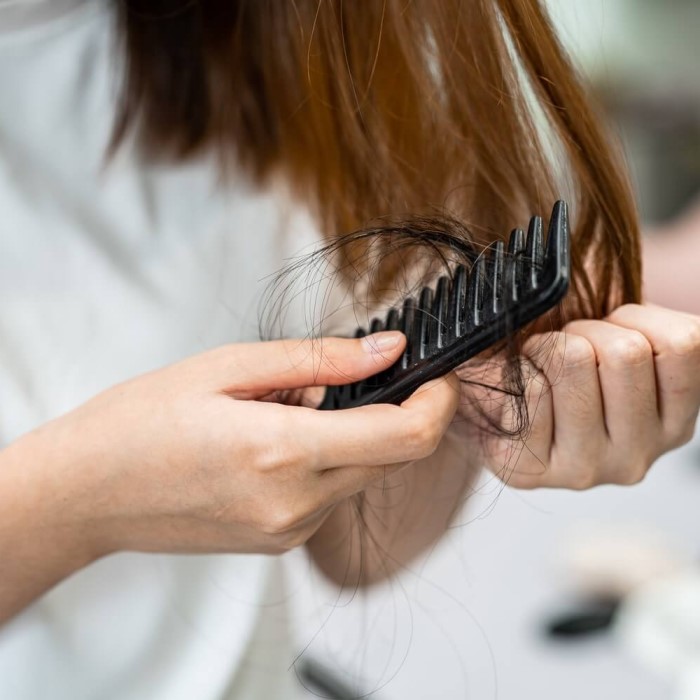
- Symptoms and Signs: Individuals who experience telogen effluvium may notice increased hair shedding, particularly during hair washing or brushing. The shedding is often diffuse, meaning it doesn’t occur in patchy areas but rather across the entire scalp. This type of hair loss may not be noticeable immediately, as it can take several weeks or even months for the effects to manifest after the initial shock.
- Duration and Recovery: Although noticeable shedding can be distressing for patients, it is important to note that telogen effluvium is generally a temporary condition. Once the stressor is removed or the body adjusts to the new medication, hair follicles typically return to the anagen phase. Most individuals will see regrowth within three to six months after discontinuation of the influencing factor, returning the hair to its normal state.
Alopecia Areata
- Definition and Characteristics: Alopecia areata is a less common but notable side effect that presents as sudden hair loss in specific patches on the scalp or other areas of the body. This autoimmune condition causes the immune system to mistakenly attack hair follicles, resulting in hair falling out in small, round patches.
- Incidence among Accutane Users: While some patients taking Accutane may experience alopecia areata, it’s crucial to clarify that this form of hair loss is not exclusively caused by the medication. Instead, it can arise from various underlying factors, including genetic predisposition and other environmental triggers, which may or may not be related to Accutane therapy.
- Symptoms and Diagnosis: The hallmark of alopecia areata is the appearance of one or more bald patches on the scalp. Patients might notice smooth, round areas of hair loss, and in more severe cases, they may experience total loss of hair (alopecia totalis) or loss of all body hair (alopecia universalis). Diagnosis typically involves a medical evaluation and sometimes biopsy to confirm the condition.
- Treatment Options: Management of alopecia areata can vary based on the severity of hair loss. Options may include topical corticosteroids, intralesional injections, or other immunotherapy treatments aimed at suppressing the immune response. For patients who are also dealing with the effects of Accutane, it’s essential to discuss their specific situation with a healthcare provider to tailor an effective treatment plan.
- Emotional Impact: Experiencing alopecia areata can be distressing and affect self-esteem. Individuals may feel self-conscious about their appearance, highlighting the importance of psychological support for those facing apparent and sudden changes in their hair.
Benefits of Understanding Accutane Hair Loss Treatment
1. Enhanced Awareness and Preparedness
By recognizing that hair loss can occur during Accutane treatment, patients can better anticipate changes in their hair health. This awareness allows individuals to prepare emotionally and physically for potential side effects.
2. Early Intervention Strategies
Understanding Accutane hair loss treatment opens doors to early interventions. Patients can adopt strategies to manage hair health proactively. For instance, incorporating a balanced diet rich in vitamins and minerals helps support hair regrowth during and after treatment.
3. Psychological Comfort
Providing reassurance that hair loss due to Accutane is often temporary can ease anxiety. Knowing that many patients experience hair regrowth can significantly improve patients’ outlook during their treatment journey.
4. Better Communication with Healthcare Providers
Patients who are informed about the possibility of hair loss can have more productive discussions with their healthcare professionals. This facilitates open dialogues about potential side effects and management strategies, leading to tailored approaches based on individual needs.
5. Focus on Overall Hair Health
Understanding the nuances of Accutane hair loss treatment empowers patients to focus on overall hair health rather than just the side effects of medication. Emphasizing nutrition, hair care routines, and stress management practices can result in better outcomes.

Managing Hair Loss During Accutane Treatment
1. Nutritional Support
A well-balanced diet is vital for maintaining hair health during Accutane treatment. Incorporating foods rich in vitamins especially biotin, zinc, and iron can support hair growth. Foods like eggs, nuts, leafy greens, and lean proteins should be included regularly.
2. Gentle Hair Care Practices
To minimize additional stress on hair, patients should adopt a gentle hair care routine. Using sulfate-free shampoos, avoiding excessive heat styling, and minimizing chemical treatments can help preserve hair health during treatment.
3. Staying Hydrated
Proper hydration promotes overall health, including hair health. Drinking an adequate amount of water daily helps keep the scalp hydrated, which can reduce dryness and irritation experienced by some patients on Accutane.
4. Scalp Health
Maintaining a healthy scalp is crucial. Regularly massaging the scalp can stimulate blood circulation, which promotes healthy hair follicles. Additionally, using mild and nourishing scalp treatments may alleviate some dryness and irritation.
FAQs About Accutane and Hair Loss
How do you fix Accutane hair loss?
To address hair loss from Accutane, focus on maintaining a balanced diet, using gentle hair care products, and keeping the scalp healthy. In cases where hair loss persists, consult a healthcare provider for personalized recommendations.
Can your hair grow back after Accutane?
Yes, most individuals find that their hair grows back after discontinuing Accutane treatment. The regrowth usually begins within a few months following the completion of the medication.
How long until Accutane hair loss stops?
Hair loss during Accutane treatment often ceases soon after the medication is discontinued. Many patients observe that their hair starts to regain its fullness within three to six months after stopping the medication.
How rare is hair loss on Accutane?
While hair loss can occur in about 10% of Accutane users, it remains a relatively rare side effect. Most individuals do not experience significant hair loss while taking the medication.
In conclusion, Accutane hair loss treatment is a valid concern among those considering or undergoing isotretinoin therapy. Understanding the potential for hair loss and its temporary nature is crucial in preparing patients for this journey. With proper management strategies—such as maintaining a nutritious diet and adopting gentle hair care practices—many individuals can navigate the side effects while achieving clearer skin.
Being informed about the prospects of hair loss before, during, and after Accutane treatment can help empower patients. The knowledge that hair regrowth is achievable post-treatment can alleviate anxiety and inspire proactive measures to support both skin and hair health.
If you are considering Accutane or are already on treatment, consult with your healthcare provider for personalized information and support. By staying educated and vigilant, you can enjoy the benefits of Accutane while mitigating concerns regarding hair loss.